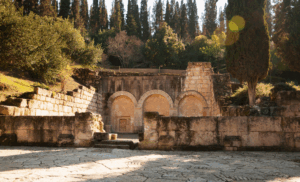
Stone steps descend toward prayers whispered for two millennia, while ancient olive trees shade the remnants of synagogues where scholars once debated Torah. Israel’s Jewish heritage sites span nearly four thousand years of continuous connection between the Jewish people and their ancestral homeland, creating an unbroken chain from Abraham’s footsteps in Hebron to the rabbinical academies of the Talmudic period.
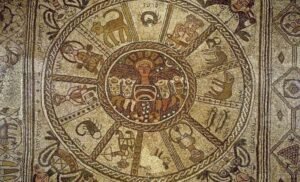
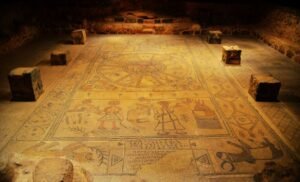
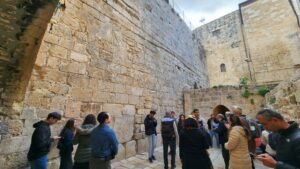
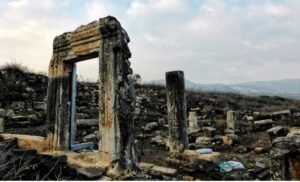
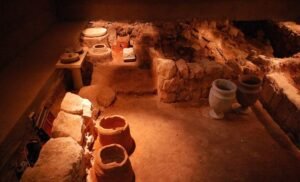
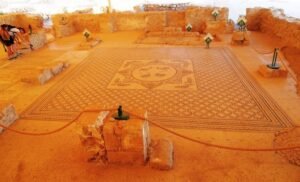
The Western Wall stands at the center of this sacred geography, its massive Herodian stones bearing the touch of countless pilgrims across the centuries. Yet the story extends far beyond Jerusalem’s walls to encompass the cave tombs of the patriarchs and matriarchs, the excavated remains of Second Temple period villages, and the ruins of magnificent synagogues adorned with intricate mosaics. Archaeological tel sites reveal layers of Jewish life spanning the biblical, Hasmonean, and Byzantine eras, while ancient burial caves preserve Hebrew and Aramaic inscriptions that speak across the ages.
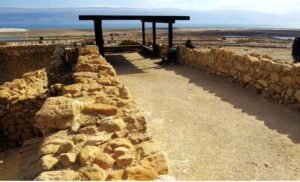
From the Galilee’s Talmudic-era towns where the Mishnah took shape to the Judean Desert’s hidden synagogues, these sites preserve the physical evidence of Jewish scholarship, worship, and daily life through periods of sovereignty and exile. Each location offers tangible connection to the figures, events, and movements that shaped Jewish civilization and continue to influence religious practice today.