Sea of Galilee: Israel’s Sacred Freshwater Lake
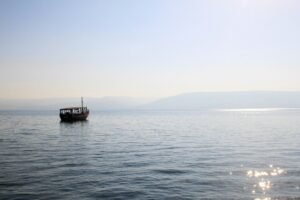
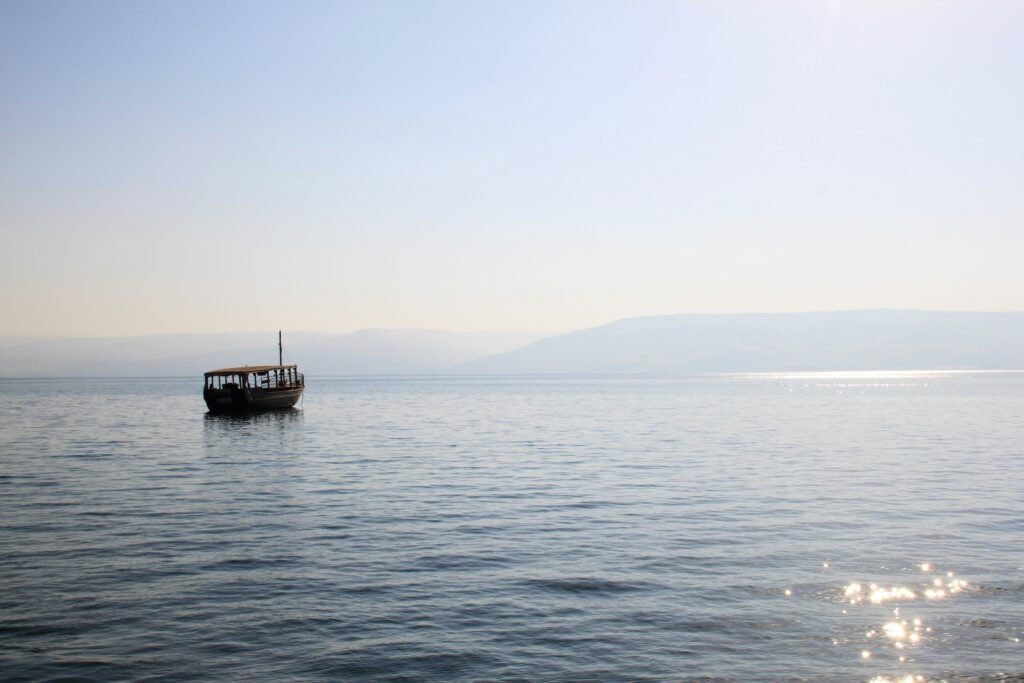
The Sea of Galilee stands as Israel’s largest freshwater lake and the lowest freshwater lake on Earth, lying approximately 700 feet below sea level. Located in northern Israel’s Galilee region, this heart-shaped body of water measures roughly 13 miles long and 8 miles wide, reaching maximum depths of about 157 feet. Fed primarily by the Jordan River and underground springs, the lake has served as both a crucial water source and the geographic center of Jesus’ ministry for over two millennia.
Overview
The Sea of Galilee has been known by multiple names throughout its storied history, including the Sea of Tiberias, Lake Gennesaret, and in Hebrew as Kinneret—a name that appears in the Hebrew Bible and may derive from the word for “harp,” reflecting the lake’s distinctive shape. This freshwater lake provides approximately 10% of Israel’s drinking water needs, making it a vital natural resource for the modern state.
The lake’s waters contain over 20 species of fish and historically supported a thriving fishing industry. During Roman times, 230 boats regularly worked these waters, harvesting fish that were exported throughout the Mediterranean world. Today, the Sea of Galilee continues to support both commercial fishing and a robust tourism industry, drawing visitors from around the globe to its biblically significant shores.
Surrounded by rolling hills and ancient settlements, the Sea of Galilee region encompasses some of Christianity’s most sacred sites. The lake’s shores witnessed pivotal moments in Jesus’ ministry, from his calling of the first disciples to the Sermon on the Mount. Archaeological excavations around the lake have revealed continuous human habitation spanning thousands of years, offering insights into ancient civilizations that flourished along these fertile shores.
Historical Background
The Sea of Galilee region has been continuously inhabited since prehistoric times, with archaeological evidence revealing settlements dating back to the Neolithic period. During the biblical era, numerous fishing villages dotted the shoreline, including Capernaum, Bethsaida, and Chorazin, which became central to Jesus’ Galilean ministry in the first century CE.
Under Roman rule, the lake became known as the Sea of Tiberias, named after the city built by Herod Antipas around 20 CE in honor of Emperor Tiberius. The Romans developed extensive infrastructure around the lake, including harbors, roads, and administrative centers that facilitated trade and governance throughout the region. The fishing industry flourished during this period, with sophisticated techniques and equipment enabling large-scale commercial operations.
Following the destruction of the Second Temple in 70 CE, the Galilee region became a center of Jewish scholarship and religious life. The city of Tiberias emerged as one of Judaism’s four holy cities, housing the Sanhedrin and serving as a major center for Talmudic study. Medieval Jewish scholars, including the renowned philosopher Maimonides, lived and worked in Tiberias, contributing to its reputation as a seat of learning.
During the Byzantine period, Christian pilgrims began visiting sites around the Sea of Galilee associated with Jesus’ ministry. Churches and monasteries were constructed at locations including Tabgha and the Mount of Beatitudes, establishing a tradition of pilgrimage that continues today. The Crusader period saw additional Christian construction, though many sites were later damaged or destroyed during subsequent conquests.
Modern development around the Sea of Galilee began in earnest during the late Ottoman period and accelerated under British Mandate rule. The establishment of Degania Kibbutz in 1909 marked the beginning of Jewish agricultural settlement around the lake, with pioneers developing innovative farming and fishing techniques. Following Israeli independence in 1948, the government implemented comprehensive water management programs to harness the lake’s resources for national development.
Inside Sea of Galilee: What to See
The Sea of Galilee offers visitors an remarkable combination of natural beauty, archaeological treasures, and sacred sites that span millennia of human history. The lake itself provides the stunning backdrop for numerous attractions, each offering unique insights into the region’s biblical, historical, and cultural significance. Swimming, boating, and fishing opportunities allow visitors to experience the same waters that sustained ancient communities and witnessed pivotal moments in religious history.
The surrounding landscape features rolling hills, agricultural settlements, and carefully preserved archaeological sites that transport visitors back to biblical times. Modern amenities blend seamlessly with ancient structures, creating an environment where historical exploration and contemporary recreation coexist harmoniously.
The Ancient Boat (Jesus Boat) — Discovered in 1986 during a drought that lowered the lake’s water levels, this remarkably preserved 2,000-year-old wooden fishing vessel now resides at Kibbutz Ginosar. The boat, measuring 27 feet long and 7.5 feet wide, represents the exact type of vessel used by Galilean fishermen during Jesus’ time. Carbon dating and analysis of the wood and construction techniques confirm its first-century origins, making it an invaluable archaeological artifact that brings biblical accounts to life. The boat is displayed in a climate-controlled pavilion with detailed explanations of its discovery and historical significance.
Capernaum — Located on the northern shore, this ancient fishing village served as Jesus’ headquarters during his Galilean ministry and is often called “his own city” in the Gospels. The site features the impressive remains of a 4th-century limestone synagogue built directly over an earlier basalt foundation from Jesus’ time. Archaeologists have also uncovered what tradition identifies as the house of Simon Peter, now covered by a modern Franciscan church designed to protect the ancient remains. The site’s excellent preservation allows visitors to walk through actual first-century streets and experience the scale and layout of a typical Galilean fishing community.
Tiberias — The lake’s largest city and one of Judaism’s four holy cities, Tiberias combines ancient heritage with modern amenities along the western shore. The city features natural hot springs that have been used therapeutically since Roman times, archaeological excavations revealing layers of historical occupation, and the tomb of Maimonides, the great 12th-century Jewish philosopher and physician. Visitors can explore the old city walls, walk through traditional markets, and enjoy lakefront promenades with restaurants and cultural attractions. The city serves as an excellent base for exploring other sites around the Sea of Galilee.
Hamat Tiberias National Park — This archaeological site just south of Tiberias showcases the remains of a 4th-century synagogue famous for its extraordinary mosaic floors. The centerpiece features a zodiac wheel surrounding the Greek sun god Helios, demonstrating the complex cultural interactions in ancient Jewish communities. The site also includes Roman and Byzantine baths that utilized the area’s natural hot springs, which continue to flow today. The park’s museum provides context for understanding how Jewish communities adapted Hellenistic artistic traditions while maintaining their religious identity. The natural hot springs remain active and can be observed bubbling from the ground at temperatures reaching 60°C.
Susita National Park — Perched dramatically on a plateau overlooking the eastern shore of the Sea of Galilee, Susita (ancient Hippos) was one of the Decapolis cities—a league of ten Greco-Roman cities in the region. The extensive ruins include a Roman theater, Byzantine churches with beautiful mosaic floors, a colonnaded main street, and defensive walls that demonstrate the city’s strategic importance. Archaeological excavations have revealed continuous occupation from the Hellenistic period through the early Islamic era. The site offers spectacular panoramic views of the entire Sea of Galilee and surrounding valleys, helping visitors understand the geographic relationships between ancient settlements.
Mount of Beatitudes — This peaceful hilltop overlooking the lake from the northwest is the traditional site where Jesus delivered the Sermon on the Mount. The location offers panoramic views across the entire Sea of Galilee and surrounding countryside, providing visitors with the same vistas that would have been visible during biblical times. A beautiful octagonal church built by Italian architect Antonio Barluzzi in 1938 commemorates the eight beatitudes, while the surrounding gardens create an atmosphere of contemplation and reflection. The site’s elevation and natural acoustics demonstrate how Jesus could have addressed large crowds gathered on the hillside below.
Tabgha — This site on the northwestern shore commemorates the miracle of the multiplication of loaves and fishes, where Jesus fed 5,000 people with five loaves and two fish. The Church of the Multiplication houses remarkable 5th-century Byzantine floor mosaics depicting fish, birds, and flora native to the Galilee region. The famous mosaic showing two fish and a basket of bread has become an iconic image representing this biblical miracle. Adjacent to the church, seven natural springs (the name Tabgha derives from the Greek “Heptapegon” meaning seven springs) provide fresh water that has drawn people to this location for millennia.
Magdala — Recently excavated and opened to the public, this first-century fishing town was the home of Mary Magdalene and represents one of the most significant archaeological discoveries in the region. Excavations have revealed a remarkably well-preserved synagogue from Jesus’ time, complete with stone benches, frescoed walls, and a decorated stone table that may have been used for reading Torah scrolls. The site includes residential areas, harbors, markets, and ritual baths that provide unprecedented insights into daily life during the Second Temple period. The modern Magdala Center features archaeological displays and a beautiful chapel designed to complement the ancient remains.
Bethsaida — Located on the northern shore near the Jordan River’s entrance to the Sea of Galilee, this archaeological site represents the biblical fishing village that was home to the apostles Peter, Andrew, and Philip. Excavations have revealed city gates, residential areas, and a cultic high place that illuminate the transition from Israelite to Roman periods. The site’s location at the Jordan River delta made it a natural fishing center, and archaeological remains include fishing weights and hooks that connect directly to the Gospel accounts. The elevated position provides excellent views of the Sea of Galilee and helps visitors understand the geographic relationships between the various Gospel sites.
Church of the Twelve Apostles — Situated in Capernaum near the ancient synagogue ruins, this modern Orthodox church features distinctive red domes and commemorates Jesus’ calling of his twelve disciples. Built in 1925, the church houses beautiful icons and frescoes depicting the apostles and scenes from Jesus’ Galilean ministry. The church’s architecture reflects traditional Middle Eastern Christian design while incorporating elements that complement the ancient surroundings. The adjacent courtyard provides peaceful spaces for reflection while offering views of the Sea of Galilee where many of the apostles worked as fishermen before following Jesus.
Beaches and Recreation Areas — Multiple beaches around the lake provide opportunities for swimming, sunbathing, and water sports in the same waters mentioned throughout the Bible. Tzemach Beach on the southern shore offers facilities for families, while various kibbutz-managed beaches provide more secluded settings. The lake’s fresh, clean water maintains comfortable temperatures for swimming much of the year, and boat trips allow visitors to experience the sea from the perspective of ancient fishermen. These recreational opportunities help visitors connect with the natural environment that shaped life in biblical times.
Degania Kibbutz — Israel’s first kibbutz, established in 1909, represents the pioneering spirit of early Jewish settlement in the Galilee. Located at the southern tip of the lake where the Jordan River exits, Degania demonstrates how modern agricultural techniques transformed the ancient landscape while preserving its essential character. The kibbutz museum displays artifacts from early settlement days and explains how communal agricultural communities developed innovative farming and fishing methods. Visitors can observe how contemporary Israelis continue to work the same fertile lands that sustained biblical communities thousands of years ago.
Visiting Sea of Galilee: Practical Information
The Sea of Galilee region is accessible year-round, with spring and autumn offering the most comfortable weather conditions. Most individual sites around the lake maintain their own operating hours and admission fees, typically opening from 8:00 AM to 5:00 PM. The Israel Nature and Parks Authority manages several archaeological sites and provides current information about access and facilities.
Tiberias serves as the main hub for accommodation and services, offering hotels, restaurants, and tour operators specializing in Sea of Galilee excursions. A circumnavigation of the lake by car takes approximately two hours, allowing visitors to see multiple sites in a single day. For a more immersive experience, consider staying overnight in the region to fully appreciate the peaceful atmosphere and stunning sunrise views over the water.
Frequently Asked Questions
What is the best time of year to visit the Sea of Galilee?
The optimal visiting seasons are spring (March-May) and autumn (September-November) when temperatures are moderate and rainfall is minimal. Summer months can be quite hot, reaching over 35°C (95°F), while winter brings occasional rain but generally mild temperatures. The lake is suitable for swimming from April through October.
Can you swim in the Sea of Galilee?
Yes, swimming is permitted and popular at designated beaches around the lake. The water is fresh, clean, and generally safe for swimming, with several beaches offering facilities, lifeguards, and amenities. Tzemach Beach and various kibbutz-managed beaches provide the best swimming experiences with proper safety measures.
How long does it take to drive around the entire Sea of Galilee?
A complete circuit of the Sea of Galilee by car takes approximately 2-3 hours without stops, covering about 65 kilometers. However, most visitors spend a full day or more exploring the various historical and religious sites around the lake’s perimeter. The well-maintained roads offer scenic views and easy access to all major attractions.
Are there entrance fees for Sea of Galilee sites?
Individual sites around the Sea of Galilee have separate admission fees, typically ranging from 15-30 NIS for adults. Capernaum, the Mount of Beatitudes, and Tabgha charge entrance fees, while viewing the lake itself and walking along many shoreline areas is free. The Ancient Boat Museum at Kibbutz Ginosar also requires an admission fee.
What biblical events took place at the Sea of Galilee?
The Sea of Galilee was central to Jesus’ ministry, witnessing events including the calling of the first disciples, the Sermon on the Mount, the multiplication of loaves and fishes, Jesus walking on water, and the miraculous catch of fish. Many of Jesus’ parables reference fishing and lake activities that would have been familiar to local audiences. The region served as Jesus’ primary base of operations during his three-year ministry.
Is it necessary to book boat trips in advance?
While walk-up availability often exists, booking boat trips in advance is recommended, especially during peak tourist seasons and Jewish holidays. Several operators in Tiberias offer various trip lengths from 45-minute scenic cruises to longer excursions with meals. Boat trips provide unique perspectives of the shoreline sites and help visitors understand the lake’s role in biblical narratives.
Sources and Further Reading
- Israel Nature and Parks Authority — Official government authority managing national parks around the Sea of Galilee
- Britannica – Sea of Galilee — Comprehensive geographical and historical information
Nearby Sites
- The “Jesus Boat”: A Boat from the Time of Jesus on the Sea of Galilee: Detailed exploration of the ancient fishing vessel discovered in 1986.
- The Jesus Trail: Walking in Jesus’ Footsteps in the Galilee: A multi-day hiking route connecting sites associated with Jesus’ ministry throughout the Galilee region.
- Jordan River Baptismal Site: The traditional location where John the Baptist baptized Jesus, located south of the Sea of Galilee.
- Nazareth: Jesus’ hometown featuring the Basilica of the Annunciation and other sites commemorating his early life.
- Mount Tabor: The traditional site of Jesus’ Transfiguration, offering spectacular views of the Galilee region.
- Bet She’an National Park: Extensive Roman and Byzantine ruins including one of the best-preserved ancient theaters in Israel.