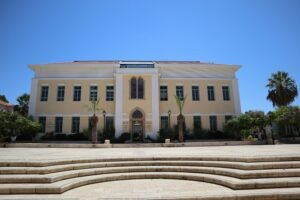
The Suzanne Dellal Centre stands as Israel’s premier contemporary dance center, established in 1989 in Tel Aviv’s historic Neve Tzedek neighborhood. Located in three restored late-19th century school buildings, this cultural landmark has become the most visited tourist site in Tel Aviv, attracting over half a million visitors annually. The center earned the Israel Prize in 2010, the country’s highest cultural honor, cementing its status as a cornerstone of Israeli performing arts.
Overview
The suzanne dellal centre represents a remarkable fusion of historical preservation and contemporary cultural expression. Housed within meticulously restored buildings that once served as schools in the first neighborhood of Tel Aviv, the center has transformed these structures into a vibrant hub for dance, theater, and cultural events. The facility spans multiple levels across its campus, featuring four performance halls, numerous rehearsal studios, dining facilities, and expansive plazas that serve as gathering spaces for artists and visitors alike.
This cultural institution has played a pivotal role in establishing Tel Aviv as a global center for contemporary dance. Home to renowned companies like the Batsheva Dance Company, the center has hosted world-class performers including Mikhail Baryshnikov, who has praised the Israeli contemporary dance scene during his performances at the venue. The annual Tel Aviv Dance festival, held at the center, showcases both international and local choreographers, reflecting the dynamic nature of Israeli cultural expression.
Beyond its role as a performance venue, the suzanne dellal centre serves as an educational institution and creative laboratory. The facility provides training programs, workshops, and residencies that nurture the next generation of dance and theater artists. Its location in Neve Tzedek, with its narrow cobblestone streets and restored buildings, creates an atmospheric setting that enhances the cultural experience for visitors exploring this historic quarter of Tel Aviv.
Historical Background
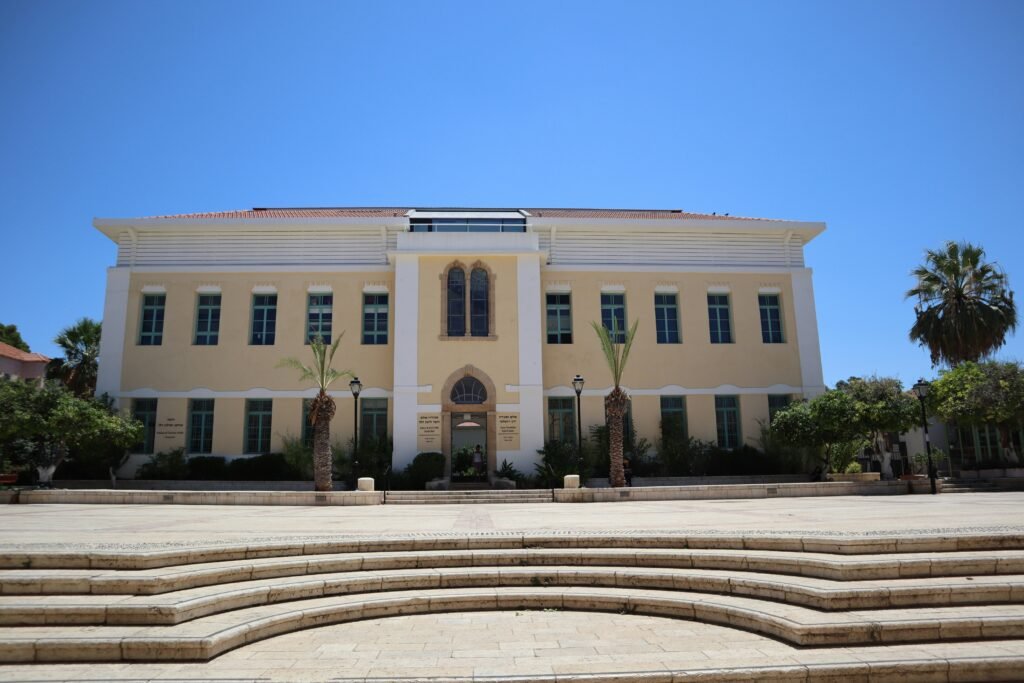
The suzanne dellal centre was built upon three late-19th century school buildings that originally served Neve Tzedek’s educational needs. One building functioned as a boys’ school that conducted its classes in French, while another housed a girls’ school where instruction took place in Hebrew. These separate institutions reflected the diverse linguistic and cultural traditions of the early Jewish community in Tel Aviv’s first neighborhood. The third building complemented these educational facilities, creating a small campus dedicated to learning in the developing city.
These schools operated for decades before being designated for historical conservation as examples of the architectural heritage that shaped Tel Aviv’s cultural landscape. The educational buildings had witnessed the growth of Neve Tzedek from its founding through its evolution into a established neighborhood, making their preservation crucial to understanding the area’s development. The different languages of instruction – French and Hebrew – represented the cosmopolitan character of early Tel Aviv residents, who brought diverse educational traditions to their new community.
The transformation of these educational buildings into a center for performing arts began in 1989, requiring extensive restoration work to adapt the structures for modern performance needs while maintaining their architectural integrity. The renovation process uncovered historical elements, including a water well from the original construction period, which was preserved and integrated into the center’s design. This discovery provided tangible evidence of the site’s layered history, connecting visitors to the daily life of the neighborhood’s early residents.
The center bears the name of Suzanne Dellal, the late daughter of Zehava and Jack Dellal, who died in 1981 at age 23. Suzanne shared a passion for dance, and her family’s decision to honor her memory through this cultural institution has created a lasting legacy that continues to inspire artists and audiences. The naming reflects the personal connections that often drive major cultural philanthropic efforts in Israel.
Since its opening, the center has evolved from a local cultural facility to an institution of international significance. The comprehensive development of the campus over the decades has expanded its capacity while maintaining its intimate character. The center’s recognition with the Israel Prize in 2010 acknowledged its contribution to Israeli culture and its role in positioning the country as a significant player in the global contemporary dance scene.
Inside suzanne dellal centre tel aviv: What to See
The suzanne dellal centre offers visitors a rich architectural and cultural experience that unfolds across its beautifully restored campus. The complex maintains the character of its late-19th century origins while incorporating modern performance facilities and artistic installations. Walking through the center provides insight into both the historical development of Neve Tzedek and the contemporary cultural life that defines modern Tel Aviv.
The layout of the center encourages exploration, with interconnected spaces that flow from performance halls to rehearsal studios, from historic courtyards to modern dining areas. Each element of the complex tells part of the story of this unique cultural institution and its role in preserving and promoting Israeli performing arts.
Four Performance Halls — The heart of the center consists of four distinct performance spaces, each designed to accommodate different types of productions and audience sizes. These halls range from intimate studio theaters perfect for experimental works to larger venues suitable for full-scale dance productions. The architectural design of each hall respects the historical character of the buildings while incorporating state-of-the-art lighting, sound, and staging equipment. The variety of spaces allows the center to host everything from solo performances to large ensemble productions, making it a versatile venue for the diverse programming that defines contemporary Israeli theater and dance.
Central Courtyard Plaza — The center’s central square serves as both an active courtyard and pedestrian walkway, creating a natural gathering place for visitors and performers. Citrus trees provide shade and create a Mediterranean atmosphere that enhances the outdoor experience. This plaza functions as more than just a transitional space; it hosts outdoor performances, pre-show gatherings, and cultural events that extend the center’s programming beyond its indoor venues. The courtyard design reflects traditional Middle Eastern architectural principles while serving the practical needs of a modern cultural facility.
Historic Water Well — During the restoration process, construction crews uncovered a water well from the original 19th-century construction period. Rather than removing this archaeological find, the center’s designers chose to preserve and display it within the courtyard areas. Visitors can view this well, which provides a tangible connection to the daily life of Neve Tzedek’s early residents. The preservation of this feature demonstrates the center’s commitment to honoring the historical layers of its site while adapting the buildings for contemporary use.
Preserved Building Facades — The original late-19th century school building facades have been meticulously reinforced and restored to maintain their historical appearance. These exteriors showcase the architectural style that characterized early Tel Aviv construction, with their distinctive stonework, window arrangements, and proportions. The restoration work required specialized techniques to strengthen the structures for modern use while preserving their visual authenticity. Walking around the center’s perimeter allows visitors to appreciate the craftsmanship of the original builders and the skill of the modern restoration team.
Ceramic Artwork Installation — Artist David Tartakover created impressive ceramic print work that depicts the history of Neve Tzedek in vivid colors throughout the center. These installations provide visual narratives of the neighborhood’s development from its 19th-century origins through its evolution into a cultural district. The artwork serves both decorative and educational purposes, helping visitors understand the broader historical context of their visit. Tartakover’s work integrates seamlessly with the architecture, creating artistic elements that enhance rather than compete with the historical character of the buildings.
Rehearsal Studios and Creative Spaces — Beyond the public performance areas, the center houses numerous rehearsal studios where visitors can often observe artists at work. These spaces, with their mirrors, barres, and specialized flooring, provide insight into the daily creative process that sustains the center’s programming. The studios serve resident companies like Batsheva as well as visiting artists, creating an environment where creative collaboration flourishes. The design of these working spaces reflects the same attention to both functionality and aesthetics that characterizes the entire complex.
Visiting suzanne dellal centre tel aviv: Practical Information
The suzanne dellal centre is located at 5 Yechieli Street in the Neve Tzedek neighborhood of Tel Aviv. Performance schedules and ticket information are available through the official website, which provides details about current productions, special events, and educational programs. The center operates year-round.
Additional Information
- suzanne dellal centre tel aviv — Official Website — Official site
- Wikipedia – Suzanne Dellal Centre for Dance and Theatre — Comprehensive overview of history, architecture, and cultural significance
- Mikhail Baryshnikov dances his way to Tel Aviv — Haaretz interview with Baryshnikov discussing his performance at Suzanne Dellal Center and praising Israeli contemporary dance scene
- Movement at Tel Aviv’s annual dance fest r
- TLV Dance event reframed with Israeli troupes only — Times of Israel article about the 24th year of Tel Aviv Dance festival at Suzanne Dellal Center, focusing on local choreographers during wartime
Nearby Sites
- Neve Tzedek Tel Aviv: Tel Aviv’s first neighborhood offers cobblestone streets, boutique shops, and restored 19th-century architecture.
- Nahum Gutman Museum: A small museum dedicated to one of Israel’s most beloved artists, housed in a historic Neve Tzedek building.
- Rokach House Museum: The former home of Neve Tzedek’s founder, showcasing the neighborhood’s early history and development.
- Tel Aviv Port: A renovated waterfront area featuring restaurants, shops, and cultural venues along the Mediterranean coast.
- Carmel Market: Tel Aviv’s largest traditional market, offering fresh produce, spices, and local street food experiences.
- Tel Aviv Museum of Art: Israel’s leading art museum, featuring contemporary and classical works in a striking modern building.