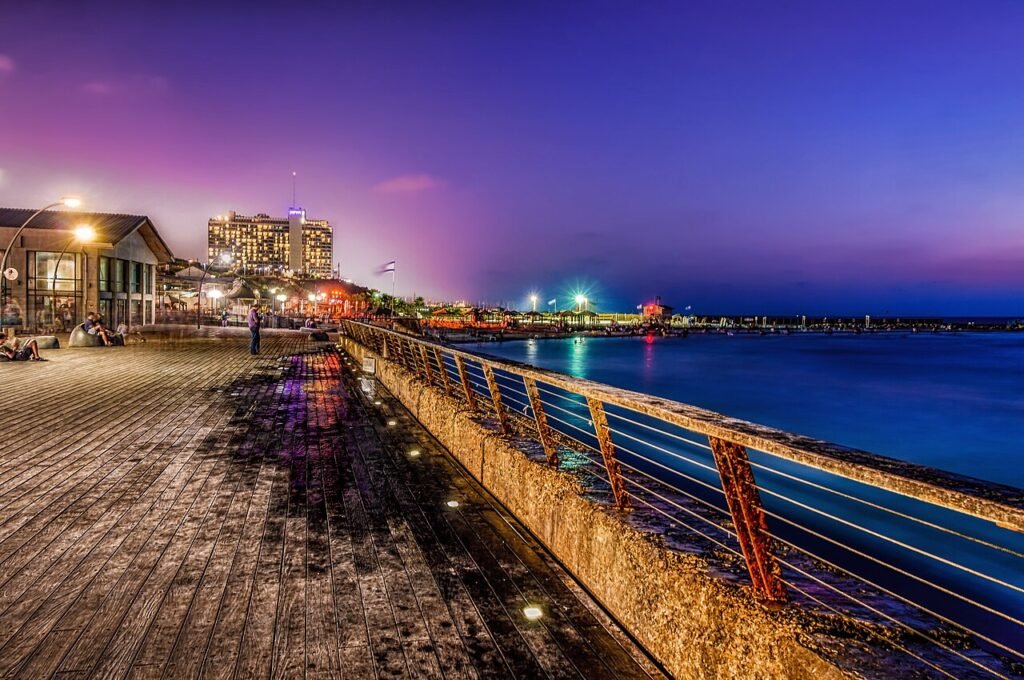
Tel Aviv Port, known locally as Namal, is a historic harbor transformed into one of Israel’s most popular entertainment and commercial districts. Originally constructed in 1936 as an alternative to Jaffa Port during the Arab revolts, this former working port now welcomes visitors annually to its restaurants, markets, and cultural venues. The site features an award-winning wooden boardwalk and restored 1930s hangars that house everything from gourmet food markets to art installations. The transformation from abandoned industrial site to vibrant cultural destination represents one of Israel’s most successful urban renewal projects, covering 14 hectares of prime Mediterranean waterfront property. The port’s unique blend of preserved maritime architecture and modern leisure facilities creates an atmosphere found nowhere else in Israel, where visitors can dine in converted shipping warehouses while watching fishing boats navigate the same waters that once welcomed cargo vessels during the British Mandate period.
Historical Background
The Tel Aviv Port was founded by Otzar Mif’alei Yam (“Treasure of Sea Works”) in 1936 as a direct response to Arab revolts that severely disrupted operations at the nearby Jaffa Port. The decision to construct an independent Jewish port came after the April 1936 general strike effectively closed Jaffa Port to Jewish commerce, threatening the economic lifeline of Tel Aviv’s rapidly growing population. Construction began in May 1936 under the supervision of British engineer H.R. Halcrow, using innovative techniques to create artificial harbors in the Mediterranean’s challenging sandy coastal conditions.
Originally named Sha’ar Zion (“Gate of Zion”), the port was completed and inaugurated at its current size on February 23, 1938, representing a crucial lifeline for the growing Jewish community in Tel Aviv. The facility featured two main piers extending 150 meters into the Mediterranean, with warehouse capacity for 10,000 tons of cargo and specialized facilities for handling grain shipments from Europe. During its peak operational period from 1938 to 1940, the port handled approximately 40% of Jewish Palestine’s maritime trade, including essential food supplies and industrial materials that sustained Tel Aviv’s economic development.
The port’s operational life proved remarkably brief. It functioned fully for less than two years before the British Navy took control during World War II, converting the facility into a military installation between 1940 and 1945. According to Britannica’s historical overview, the facility served its intended purpose during the critical pre-war period, providing an essential alternative to Jaffa’s Arab-controlled port. During the 1948 Arab-Israeli War, the port briefly resumed civilian operations, handling weapons shipments and supplies for the nascent Israeli state, but its shallow waters and limited infrastructure proved inadequate for modern cargo vessels.
The port continued limited operations through the 1950s, primarily serving small fishing vessels and coastal trade, but its commercial viability declined steadily as Israel’s economy expanded. On October 25, 1965, Tel Aviv Port officially closed as an operational harbor when all shipping operations moved to the newly constructed Ashdod Port, which offered deeper waters and modern container handling facilities. For decades, the abandoned hangars and deteriorating infrastructure stood as a reminder of the site’s brief but significant role in Israel’s early development. Urban planners proposed various redevelopment schemes throughout the 1970s and 1980s, but serious transformation efforts only began in the 1990s when the Tel Aviv Municipality acquired the property and began converting it into a cultural and entertainment destination, breathing new life into the historic structures while preserving their architectural heritage.
Inside Tel Aviv Port (Namal): What to See
The modern Tel Aviv Port seamlessly blends its industrial heritage with contemporary leisure facilities, creating a unique waterfront destination that honors its maritime past while serving present-day visitors. The site’s thoughtful redevelopment has preserved the essential character of the 1930s port while adding modern amenities that draw both locals and tourists throughout the year. The 14-hectare complex combines historical preservation with cutting-edge urban design, creating distinct zones that serve different purposes while maintaining visual and architectural continuity.
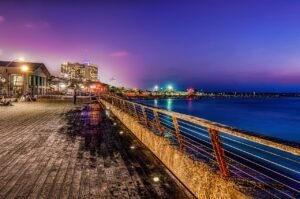
Wave-Shaped Wooden Boardwalk — The port’s most distinctive feature is its 14,000 square meter wooden boardwalk, designed in undulating wave shapes that evoke both ocean waves and the original sand dunes that once covered this coastline. This remarkable engineering achievement won the Rosa Barba European Landscape Prize in 2010, Europe’s most prestigious landscape architecture award. The boardwalk provides elevated views of the Mediterranean while creating intimate spaces for dining and relaxation below its curves. Constructed from sustainable Ipe wood from Brazil, the structure required 2,000 cubic meters of timber and incorporates drainage systems that channel rainwater directly into underground cisterns. Visitors can walk the entire 800-meter length while enjoying sea breezes and observing the constant activity of fishing boats and pleasure craft. The boardwalk’s varying elevations create natural amphitheater spaces where street performers often gather, while its curved sections provide wind protection for outdoor dining areas beneath.
Restored Port Hangars — The original warehouses from the 1930s have been meticulously converted into restaurants, shops, and cultural venues while maintaining their industrial aesthetic. These massive structures, with their high ceilings and exposed steel beams, now house everything from upscale dining establishments to boutique retail stores. Hangar 11 serves as a multi-purpose event space that can accommodate up to 800 guests, featuring original crane equipment preserved as architectural elements. Hangar 26 houses several high-end restaurants with floor-to-ceiling windows that flood the space with natural light while maintaining views of the original port infrastructure. The hangars serve as a tangible connection to the port’s working past, with architectural preservation efforts ensuring that visitors can still sense the building’s original maritime purpose. Original loading dock mechanisms, including pulley systems and track guides, remain visible throughout the converted spaces, creating an authentic industrial atmosphere that distinguishes the port from conventional shopping and dining districts.
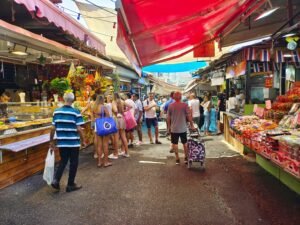
Namal Food Market (Hangar 12) — This gourmet indoor market transforms one of the largest original hangars into a culinary destination that National Geographic describes as comparable to London’s Borough Market. The 3,000 square meter space features over 30 artisanal food vendors, specialty coffee roasters, and local producers offering everything from fresh seafood to international delicacies. Vendors include Delicatessen, specializing in European-style cured meats, and Fishmonger, which sources directly from Mediterranean fishing fleets that dock at nearby ports. The market’s industrial setting, with exposed brick and steel fixtures, creates an authentic atmosphere that reflects both the building’s history and Tel Aviv’s contemporary food culture. Original cargo doors remain functional, opening to create seamless indoor-outdoor dining experiences during favorable weather. The hangar’s acoustics, originally designed to minimize echo in cargo operations, now provide an intimate atmosphere despite the space’s massive scale.
TEL AVIV Letters Installation — Large iconic letters spelling out the city’s name provide one of the port’s most photographed attractions. Each letter stands 2.5 meters high and weighs approximately 300 kilograms, constructed from weather-resistant aluminum with LED lighting systems for evening illumination. Positioned to offer spectacular ocean backdrops, these installations have become a symbol of the city’s modern identity. The letters serve as both public art and a gathering point for visitors, representing the successful transformation of industrial infrastructure into cultural landmarks. The installation rotates locations within the port seasonally, allowing different perspectives and preventing overcrowding in any single area.
Angel Wings Sculpture — This three-meter high reproduction of “Alas De La Cuidad” was gifted by Mexico City’s Jewish community in 2018, creating an unexpected international connection within the port’s cultural landscape. The bronze sculpture, weighing 800 kilograms, was created by Israeli artist Menashe Kadishman and represents the connection between Jewish communities across different continents. The sculpture demonstrates the global relationships that have developed around Tel Aviv’s cultural renaissance, while providing another distinctive visual landmark for visitors exploring the waterfront. The wings’ positioning allows visitors to stand between them for photographs, creating an interactive element that has made it particularly popular with social media users.
Children’s Playground and Green Spaces — Occupying eight dunams of the former Maccabiah Stadium site, the port features extensive green lawns with recreational facilities designed specifically for families. The playground equipment includes climbing structures designed to resemble ship masts and rigging, connecting the play area thematically to the site’s maritime heritage. These modern playground installations contrast sharply with the industrial heritage buildings, illustrating how the port now serves multiple generations and purposes simultaneously. The green spaces feature drought-resistant Mediterranean plants and incorporate recycled materials from the original port infrastructure, including anchor chains repurposed as decorative elements and old dock pilings transformed into seating areas.
Levant Fair Area — The historic fairgrounds from 1933 have been transformed into cultural spaces featuring an amphitheater and event venues. This 5,000 square meter area connects the port’s entertainment district with Tel Aviv’s broader cultural history, as the original Levant Fair represented one of the city’s first major international attractions, drawing visitors from across the Middle East and Europe. The modern amphitheater, carved into the natural slope leading to the waterfront, can accommodate 1,200 spectators and hosts regular concerts, theater performances, and cultural festivals. Original exhibition pavilion foundations remain visible beneath glass panels, allowing visitors to observe archaeological remnants while walking through the contemporary event space. The area’s design incorporates water features that reference the original port’s relationship with the sea, including fountains that activate during evening events to create dramatic lighting effects.
Visiting Tel Aviv Port (Namal): Practical Information
Tel Aviv Port operates as a public space accessible 24 hours daily, though individual restaurants, shops, and attractions maintain their own schedules. The site is located at the northern end of Tel Aviv’s coastline, easily reached by public transportation or car. Free parking is available in designated areas, though spaces fill quickly during weekend evenings. The official Namal website provides current information about events, restaurant hours, and special exhibitions. The wooden boardwalk can become crowded during sunset hours, so visitors seeking quieter experiences should plan morning or early afternoon visits.
Additional Information
- Tel Aviv Port (Namal) — Official Website — Official site
- Tel Aviv Port – Wikipedia — Comprehensive historical information about the port’s founding and development
- Tel Aviv–Yafo – Ancient, Modern, Mediterranean | Britannica — Britannica’s historical overview of Tel Aviv-Yafo includes coverage of the establishment of the separate Tel Aviv port in 1936-39 following Arab strikes at Jaffa Port, and its closure in 1965 when operations moved to Ashdod Port
- The Best of Tel Aviv | National Geographic — National Geographic travel guide mentioning the Tel Aviv Port as a revitalized commercial and entertainment area, noting the Kitchen Market and the contrast between historical significance and modern dining destinations
What are the opening hours of Tel Aviv Port?
The port operates as a public space accessible 24 hours daily, though individual restaurants, shops, and attractions maintain their own schedules. Most restaurants open around 11:00 AM and remain operational until midnight, while the Namal Food Market typically operates from 10:00 AM to 10:00 PM. Event venues and cultural spaces vary their hours based on scheduled activities.
Is parking available at the port?
Free parking is available in designated areas throughout the complex, with approximately 1,200 spaces distributed across multiple lots. Parking fills quickly during weekend evenings and during special events, so early arrival is recommended. Alternative transportation includes bus lines 4 and 5, which stop adjacent to the port entrance.
Can you swim at Tel Aviv Port?
Swimming is not permitted in the port area itself due to boat traffic and harbor infrastructure, but public beaches with lifeguard services are located within walking distance. The nearest designated swimming area is Gordon Beach, approximately 800 meters south of the port complex. The port’s waterfront serves primarily recreational and dining purposes.
Are there activities for children at the port? The port features extensive family facilities, including a children’s playground with maritime-themed equipment occupying eight dunams of green space. The playground includes climbing structures designed to resemble ship rigging and masts. Additionally, the open lawns provide space for recreational activities, and many restaurants offer children’s menus and outdoor seating suitable for families.
What makes the wooden boardwalk special?
The 14,000 square meter boardwalk won the Rosa Barba European Landscape Prize in 2010 for its innovative wave-shaped design that evokes ocean movements while providing functional spaces for dining and relaxation. Constructed from sustainable Ipe wood, the structure incorporates advanced drainage systems and creates natural performance spaces where visitors can observe Mediterranean views while experiencing the site’s unique architectural vision.
Nearby Sites
- Jaffa Port: Ancient harbor with 4,000 years of maritime history and ongoing archaeological discoveries.
- Neve Tzedek Tel Aviv: Historic neighborhood featuring 19th-century architecture and cultural attractions.
- Tel Aviv Museum of Art: Major cultural institution housing Israeli and international contemporary art collections.
- Yarkon Park: Urban park along the Yarkon River offering gardens, recreational facilities, and concert venues.
- Tel Aviv Beaches: Mediterranean coastline with designated swimming areas, volleyball courts, and beachfront cafes.
- Dizengoff Center: Shopping and entertainment complex in central Tel Aviv with dining and retail options.